
Nurse Leadership Spotlight – Julie Marshall, Nursing Director, Nursing Education, Lahey Clinic
About Julie
Can you tell us a little about yourself and your nursing journey?
I joined Lahey in 2020 as a Clinical Nurse Leader for the new Neurosciences Critical Care Unit. My passion has always been nursing education, so I was excited to transition into the Critical Care Nurse Educator role in 2023. In May of 2026, I was given the opportunity to help lead the Center for Clinical and Professional Development as the interim director. Prior to joining Lahey, I worked as a staff nurse and preceptor at The Johns Hopkins Hospital in Baltimore, MD, and as a Critical Care Clinical Nurse Educator for the University of Maryland. Throughout my time as a staff nurse, nurse educator and clinical nurse leader, I developed a passion for teaching, precepting, mentoring and driving nursing practice forward, which led me to my current position.
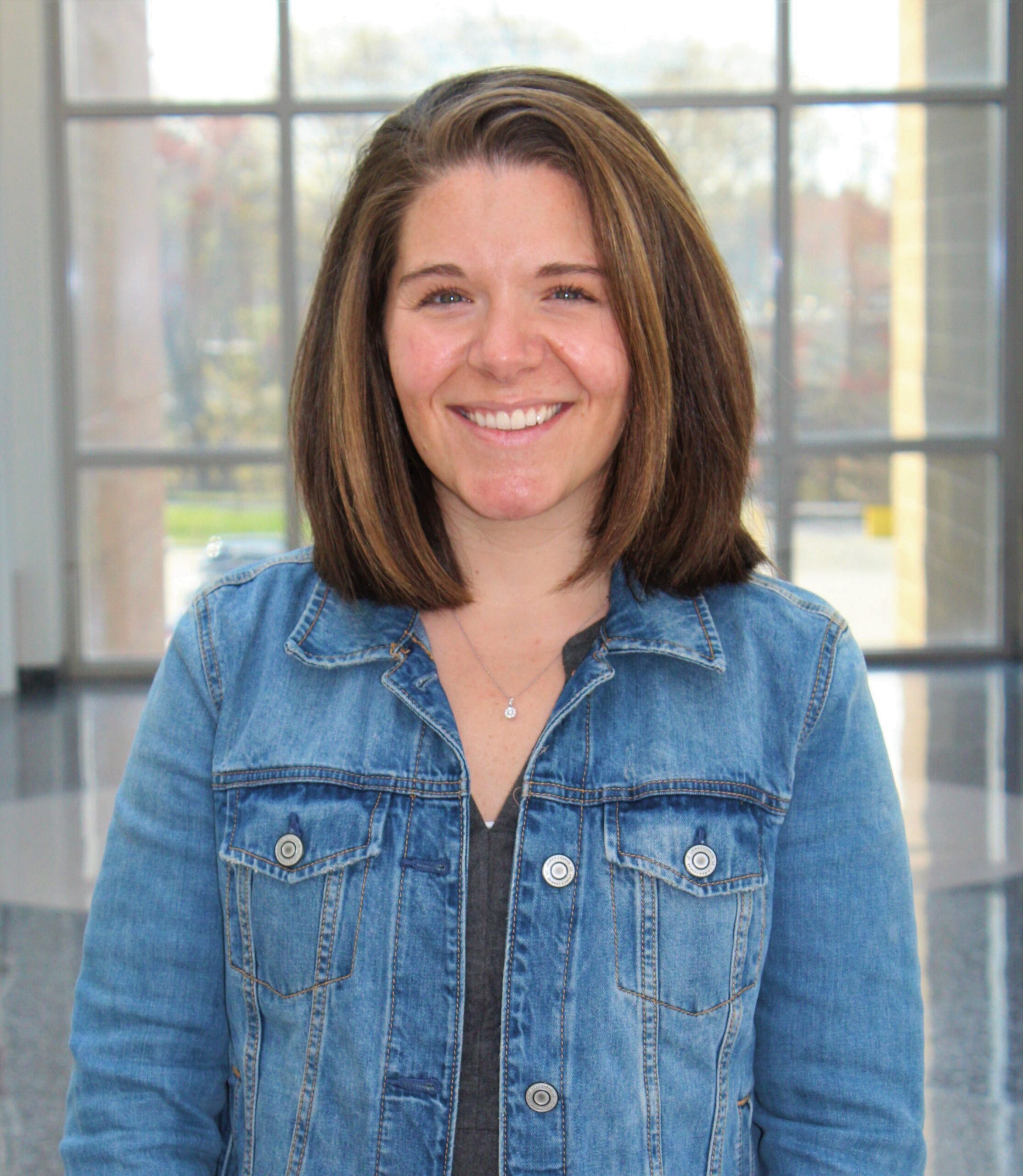
Julie Marshall – Interim Director, Center for Clinical and Professional Development
Looking back on your career, what has been one of your proudest accomplishments as a nurse or leader?
As a critical care educator, I helped create Lahey’s current Critical Care RN Fellowship Program, which is a comprehensive program designed to support new critical care nurses. The program begins after nurses complete critical care orientation and builds on the foundational concepts learned during the orientation period. The program guides staff in the creation of an evidence-based practice project. It has been incredibly rewarding to see novice critical care nurses grow in their skills and abilities over the course of the program, and even go on to lead exceptional evidence-based practice, quality improvement, and research projects.
About the Nurse Educator Role
Can you describe the role of a Unit-Based Nurse Educator and the impact these positions have on both nursing staff and patient care?
Unit based educators (UBEs) collaborate closely with central educators and unit leadership to bring education and training to the nursing staff on the units. UBEs assist with onboarding and orientation of new staff as well as ongoing staff education and competency management. UBEs act as a clinical resource on the unit, help facilitate classes and training and participate in hospital committees and councils.
UBEs support the staff by making education more accessible and help to elevate nursing practice by ensuring nurses have the knowledge, skills and abilities to deliver exceptional patient care.
How do Nurse Educators partner with nursing leadership, physicians, and frontline staff to advance clinical excellence?
Nurse educators partner with the multidisciplinary team to ensure we are following current best practices here at Lahey. Educators lead and help support evidence based practice projects, quality improvement, and research projects as well as revise and create new hospital policies and procedures to ensure clinical excellence.
Professional Growth
How does Lahey support the professional growth and development of Nurse Educators?
Lahey supports the professional growth and development of nurse educators by offering certification pre-payment and/or reimbursement as well as allowing for the opportunity to attend conferences and classes. Lahey also offers generous nursing scholarships and tuition reimbursement for those pursuing a higher level nursing degree.
Joining the Team
What qualities do you look for in someone who will be successful on your team?
We are looking for someone who is passionate about nursing education, collaborative, motivated, and forward thinking.
Fun Questions:
Coffee or tea?
- Coffee!
What is one word your team would use to describe you?
- Passionate
If your team had to describe the culture in three words, what do you think they would say?
- Collaborative, supportive, welcoming
